




Magnesium Alloy CNC Machining: Advantages, Challenges, and Applications in Precision Manufacturing
Introduction In modern precision manufacturing, lightweight materials with excellent mechanical performance are becoming increasingly important. Magnesium alloy has gained significant attention among engineers and designers due to its outstanding strength-to-weight ratio, excellent machinability, and vibration-damping properties. Compared with traditional aluminum alloys, magnesium alloys offer unique advantages for applications where weight reduction, performance optimization, and efficient production are critical. At Pincheng Model, we provide precision CNC machining solutions for complex magnesium alloy components, supporting prototype development and low-volume production with advanced 5-axis machining capabilities.
READ MORE...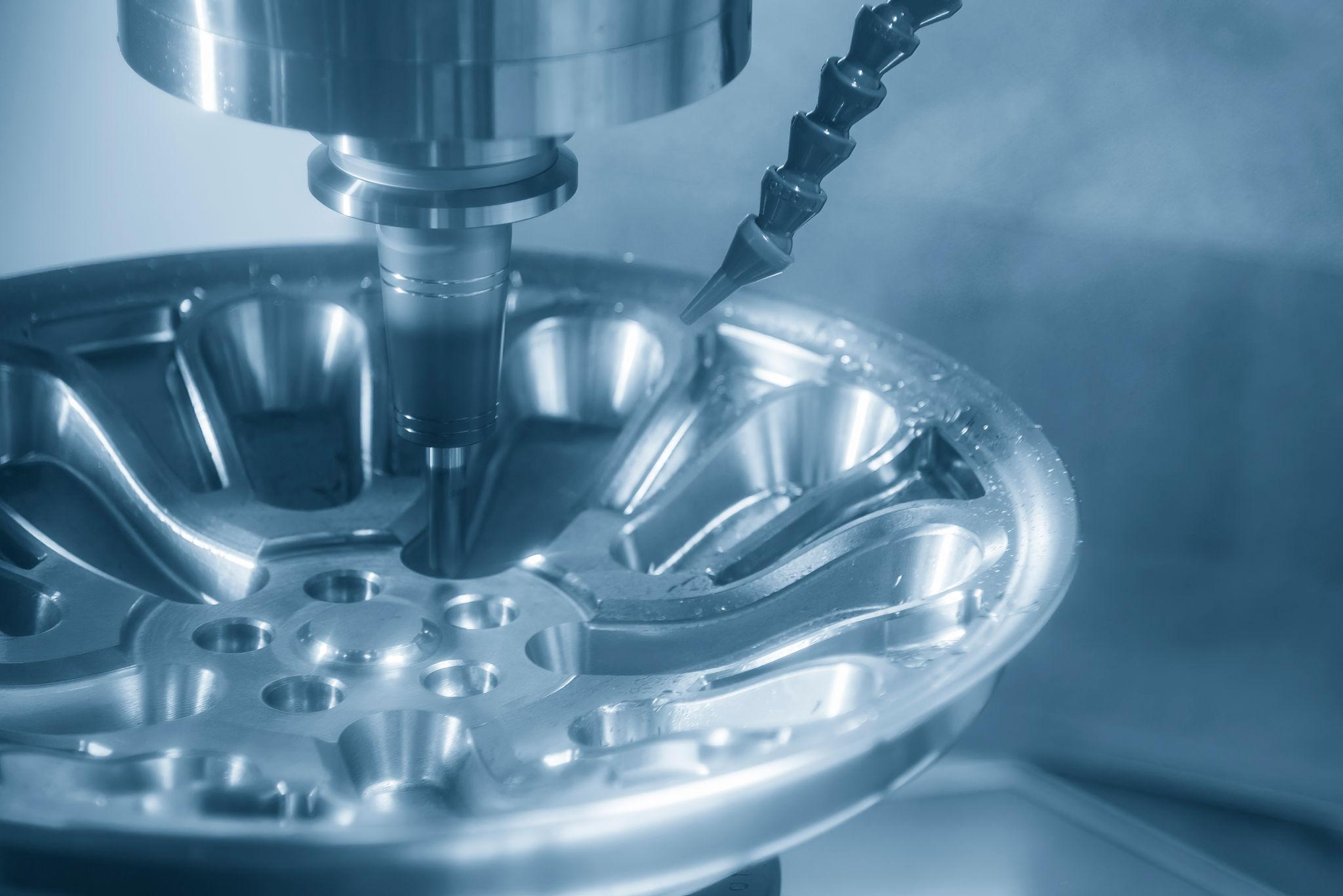
CNC Machining of Steel Parts: Key Considerations for Mold Steel and Precision Components
Steel is one of the most widely used materials in precision manufacturing due to its excellent strength, wear resistance, and durability. However, machining steel parts—especially hardened steel and mold steel—requires advanced machining strategies, suitable cutting tools, and strict process control. For CNC manufacturers, understanding the characteristics of different steel materials is essential to achieve high precision, excellent surface finish, and stable production quality.
READ MORE...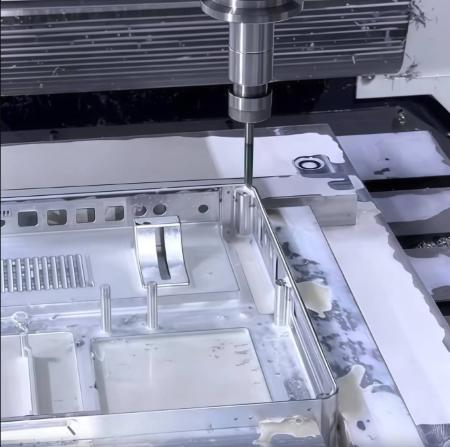
Strategies for Controlling Deformation in High-Precision Thin-Walled Parts
Thin-walled parts are generally defined as components where the ratio of wall thickness to diameter (or characteristic size) is less than 1/20. While they offer advantages like lightweight and compact structure, their extremely low rigidity makes deformation control the primary bottleneck in manufacturing. Achieving micron-level precision requires a holistic optimization of process paths, clamping methods, tool selection, and heat treatment.
READ MORE...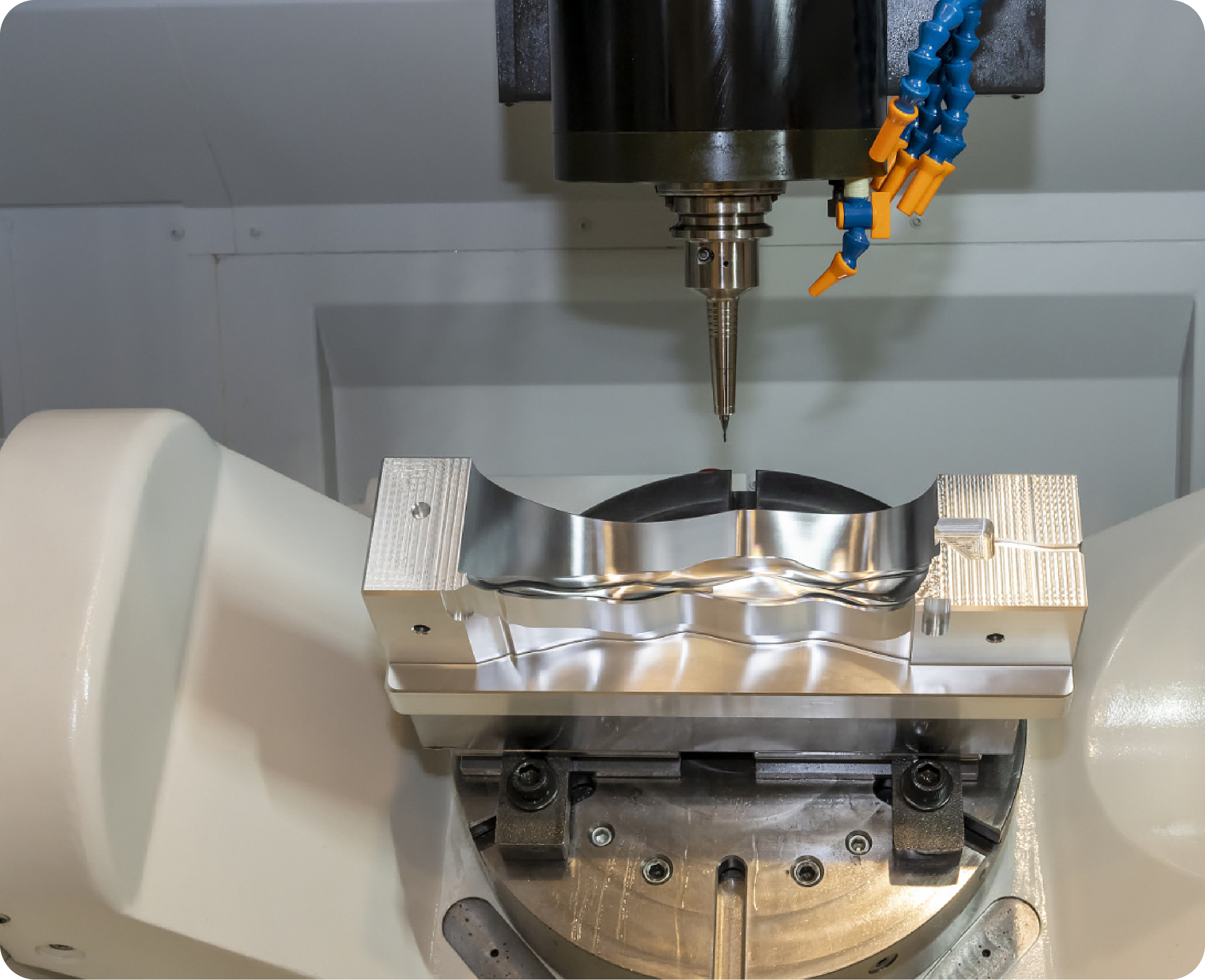
5-Axis CNC Machining: The Key Technology for Manufacturing Complex Components
With the rapid development of aerospace, medical devices, automotive engineering, energy equipment, and advanced automation industries, the demand for highly precise and complex components continues to grow. 5-axis CNC machining has become one of the most important technologies in modern precision manufacturing due to its exceptional flexibility, accuracy, and efficiency.
READ MORE...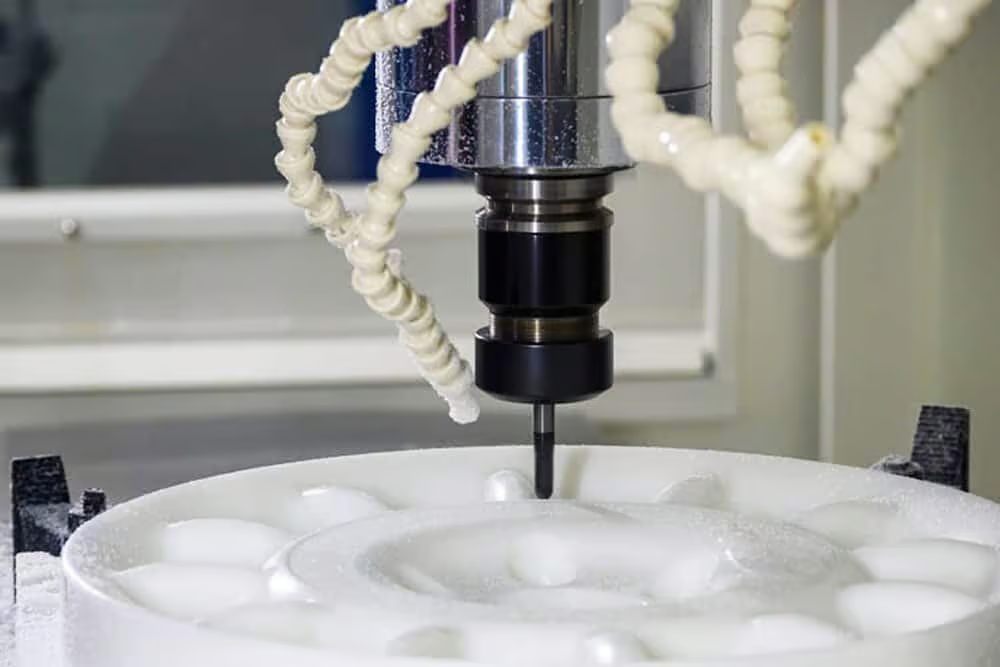
What Are the Best Methods for Deburring After CNC Machining?
If you're involved in CNC machining, you've probably encountered burrs on your parts. These unwanted edges or protrusions can have a major impact on your parts' surface quality, functionality, and safety. So, how do you get rid of them? The solution lies in the deburring process.
READ MORE...
How CNC Machine Setups Impact Your Project Budget?
When it comes to CNC machining, understanding the factors that affect your project costs is crucial for staying on budget and meeting deadlines. Many teams find it challenging to predict the full scope of these costs, which include material prices, part complexity, post-processing needs, and of course, CNC machine setups. Let’s dive into how CNC setups specifically influence your overall production expenses.
READ MORE...